Spaces Rooted
in Wonder and Learning
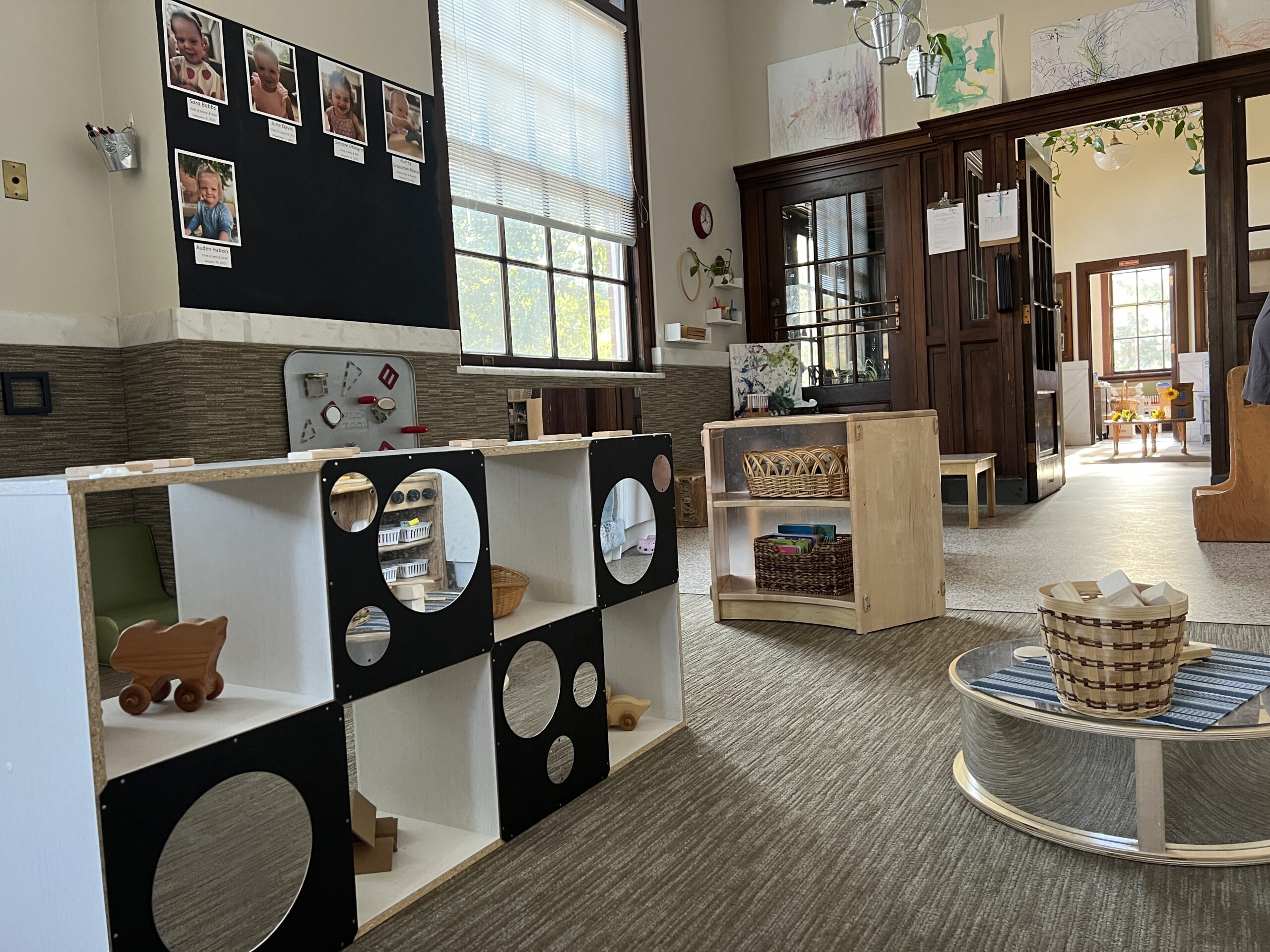
We invite you to explore the spaces that shape daily life at Aspen Center. Located in the historic former Longmont Post Office, our school blends architectural charm with intentionally designed environments inspired by the Reggio Emilia principle of the Environment as the Third Teacher.

A Historic Home
for Learning
Our unique building was once the Longmont Post Office, and we are proud to preserve the character and architectural charm that make it so distinctive.
Filled with natural light, original details, and welcoming spaces, the building offers children a setting that feels both grounded and inspiring—a place where history, community, and learning come together.

Our Philosophy at Aspen Center
The Environment as
the Third Teacher
At Aspen Center, we embrace the Reggio Emilia belief that the physical environment plays an essential role in learning alongside adults and peers.
Each classroom and shared space is thoughtfully and intentionally curated to spark joy, curiosity, discovery, and independence. Materials are carefully selected, spaces are arranged with purpose, and environments evolve alongside the needs and interests of children.
In our spaces, you will notice beauty, intention, and opportunities for meaningful exploration.

“There are three teachers of children: adults, other children, and their physical environment.”
Loris Malaguzzi
Founder of the Reggio Emilia Approach
Making Meaningful Spaces
What Meaningful Spaces Make Possible
Visibility & Transparency
Learning is made visible through open spaces, documentation, and opportunities for shared observation. Children, educators, and families are invited into the learning process.
Living Environments
Our classrooms evolve in response to children’s interests, questions, and growth. Spaces remain dynamic, responsive, and alive with possibility.
Care & Beauty
Children and educators care for the environment together. Through this shared responsibility, spaces become places of respect, belonging, and intention.
Connection to Nature
Natural materials, outdoor experiences, and a sense of seasonal rhythm help children feel connected to the wider world around them.